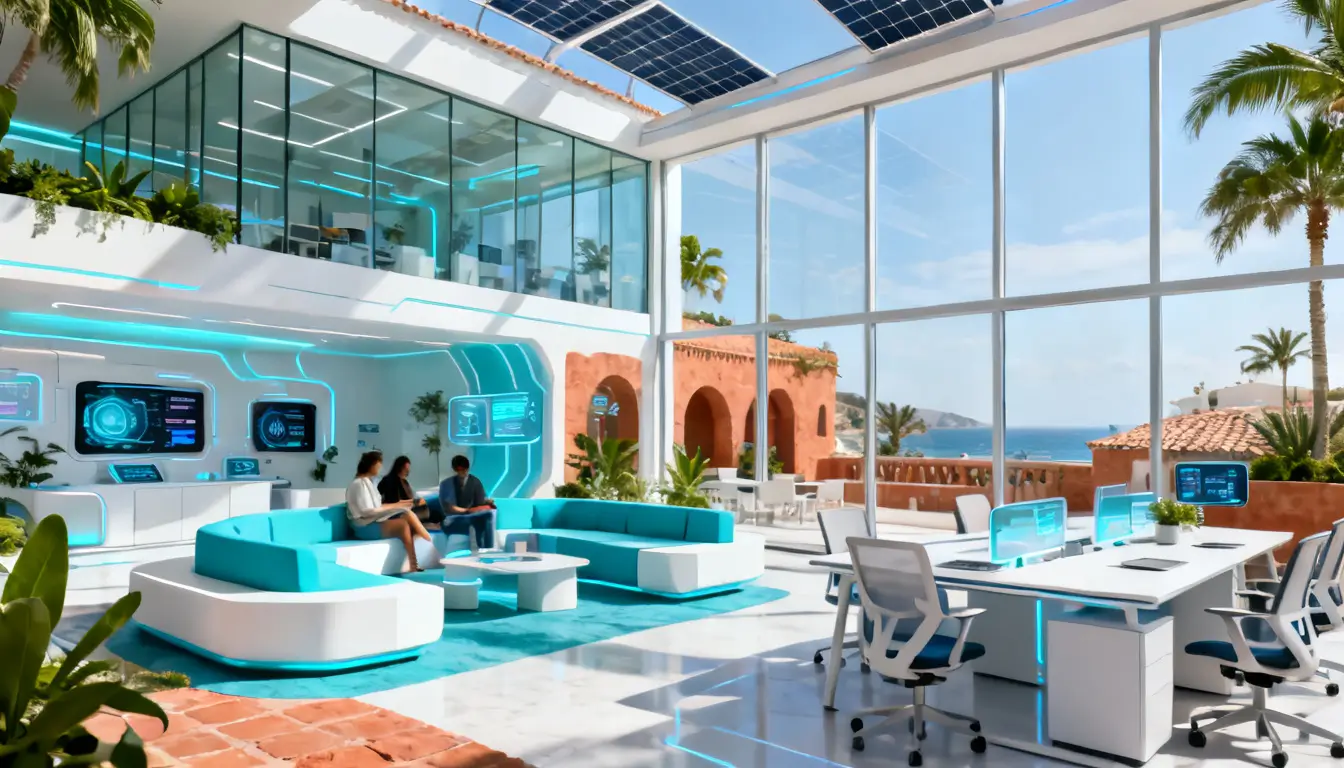
future ready offices in cyprus: Designing Workspaces for the Next Era of Business
The concept of the office has changed more in the last decade than it did in the previous fifty years. Businesses are no longer satisfied with rigid, traditional spaces that simply house employees. Instead, companies are actively seeking environments that inspire productivity, support well-being, and adapt to rapid technological and cultural shifts. In Cyprus, this transformation is especially noticeable. With its growing reputation as a business hub connecting Europe, the Middle East, and beyond, the demand for future-ready offices in Cyprus is rising steadily.
A future-ready office is not just about aesthetics or modern furniture—it represents a strategic investment in flexibility, technology, sustainability, and human-centered design. Organizations operating in Cyprus are recognizing that their workspace must evolve alongside their workforce and business goals. The result is a new generation of offices that are smarter, more adaptable, and deeply aligned with the needs of modern professionals.
Table of Contents For This Post
ToggleThe Shift Toward Flexible Workspaces
One of the defining characteristics of future-ready offices in Cyprus is flexibility. Traditional office layouts with fixed desks and isolated cabins are being replaced by dynamic environments that accommodate various working styles. Employees today do not work in a single mode throughout the day. They collaborate, focus, brainstorm, and sometimes even relax—all within the same workspace.
Modern offices in Cyprus are increasingly incorporating open-plan layouts, quiet zones, collaborative hubs, and multi-purpose rooms. This flexibility allows businesses to optimize their space while empowering employees to choose how and where they work best. It also supports hybrid work models, which have become a permanent feature in many organizations.
Flexibility is not just about physical space—it also extends to lease agreements and office solutions. Businesses are opting for scalable office setups that can grow or shrink based on their needs. This approach is particularly valuable in Cyprus, where startups and international companies often require agility in their operations.
Technology as the Backbone of Modern Offices
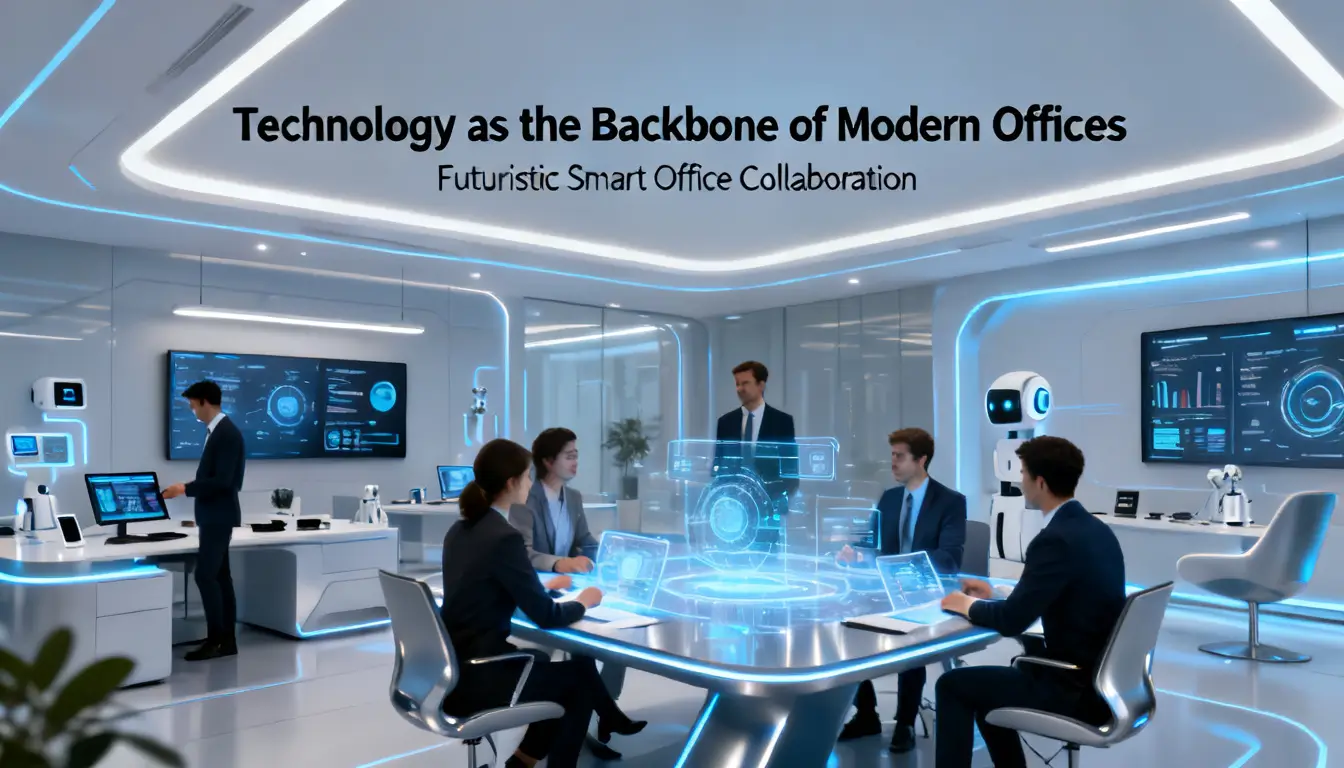
Technology plays a central role in shaping future-ready offices. In Cyprus, businesses are increasingly investing in smart office solutions that enhance efficiency and connectivity. High-speed internet, cloud-based systems, and integrated communication tools are no longer optional—they are essential.
Smart offices go a step further by incorporating automation and data-driven systems. For example, lighting and climate control can be adjusted automatically based on occupancy, improving energy efficiency and employee comfort. Meeting rooms can be equipped with advanced video conferencing tools, ensuring seamless collaboration with remote teams.
Another key aspect of technology in future-ready offices is cybersecurity. As more businesses in Cyprus rely on digital infrastructure, protecting sensitive data becomes a top priority. Secure networks, encrypted communication systems, and robust IT support are integral components of a modern workspace.
Prioritizing Employee Well-Being
A future-ready office is designed with people in mind. Companies in Cyprus are increasingly recognizing that employee well-being directly impacts productivity, creativity, and retention. As a result, modern office designs are focusing on creating environments that promote physical and mental health.
Natural light, ergonomic furniture, and proper ventilation are becoming standard features in office spaces. Biophilic design—incorporating natural elements like plants and greenery—is also gaining popularity. These elements not only enhance the visual appeal of the workspace but also reduce stress and improve overall well-being.
In addition to physical design, future-ready offices in Cyprus often include wellness-focused amenities such as relaxation areas, fitness spaces, and even quiet rooms for mindfulness or prayer. These features reflect a broader understanding of employee needs and demonstrate a commitment to creating a supportive work environment.
Sustainability and Green Office Practices
Sustainability is no longer a trend—it is a necessity. Future-ready offices in Cyprus are increasingly embracing eco-friendly practices to reduce their environmental impact. This shift is driven by both regulatory requirements and a growing awareness among businesses and employees.
Green office design includes energy-efficient lighting, sustainable building materials, and waste reduction systems. Many offices are also incorporating renewable energy sources, such as solar panels, which are particularly effective in Cyprus due to its sunny climate.
Water conservation, recycling programs, and the use of eco-friendly products further contribute to a sustainable workspace. Beyond environmental benefits, these practices also enhance a company’s reputation and appeal to environmentally conscious clients and employees.
Location and Accessibility
The location of an office remains a critical factor, even in the era of remote work. In Cyprus, businesses are strategically choosing locations that offer convenience, connectivity, and a high quality of life. Proximity to transportation hubs, business districts, and essential services is a key consideration.
Future-ready offices are often situated in areas that provide easy access to restaurants, cafes, and recreational facilities. This not only improves the daily experience of employees but also supports networking and collaboration opportunities.
Accessibility also extends to the design of the office itself. Inclusive workspaces that accommodate individuals with diverse needs are becoming a priority. Features such as ramps, elevators, and adaptable workstations ensure that the office is welcoming to everyone.
Supporting Innovation and Collaboration
Innovation thrives in environments that encourage interaction and creativity. Future-ready offices in Cyprus are designed to foster collaboration while still providing spaces for focused work. This balance is essential for modern businesses, where teamwork and individual productivity must coexist.
Collaborative spaces are often equipped with interactive tools, such as digital whiteboards and brainstorming zones. These areas are designed to facilitate idea-sharing and problem-solving. At the same time, quiet zones and private rooms ensure that employees can concentrate when needed.
The design of the office also plays a role in promoting innovation. Open layouts, transparent partitions, and thoughtfully designed communal areas create a sense of openness and encourage spontaneous interactions. These small moments of connection can lead to significant breakthroughs.
Adapting to Hybrid Work Models
The rise of hybrid work has fundamentally changed how offices are used. In Cyprus, many companies are adopting flexible work arrangements that allow employees to split their time between the office and remote locations. This shift has a direct impact on office design and functionality.
Future-ready offices are being reimagined as collaboration hubs rather than traditional workplaces. Instead of assigning permanent desks to employees, businesses are implementing hot-desking systems and shared workspaces. This approach maximizes efficiency and reduces unused space.
Technology plays a crucial role in supporting hybrid work. Reliable communication tools, virtual meeting platforms, and cloud-based systems ensure that remote and in-office employees can work seamlessly together. The goal is to create a unified work experience, regardless of location.
The Role of Culture in Office Design
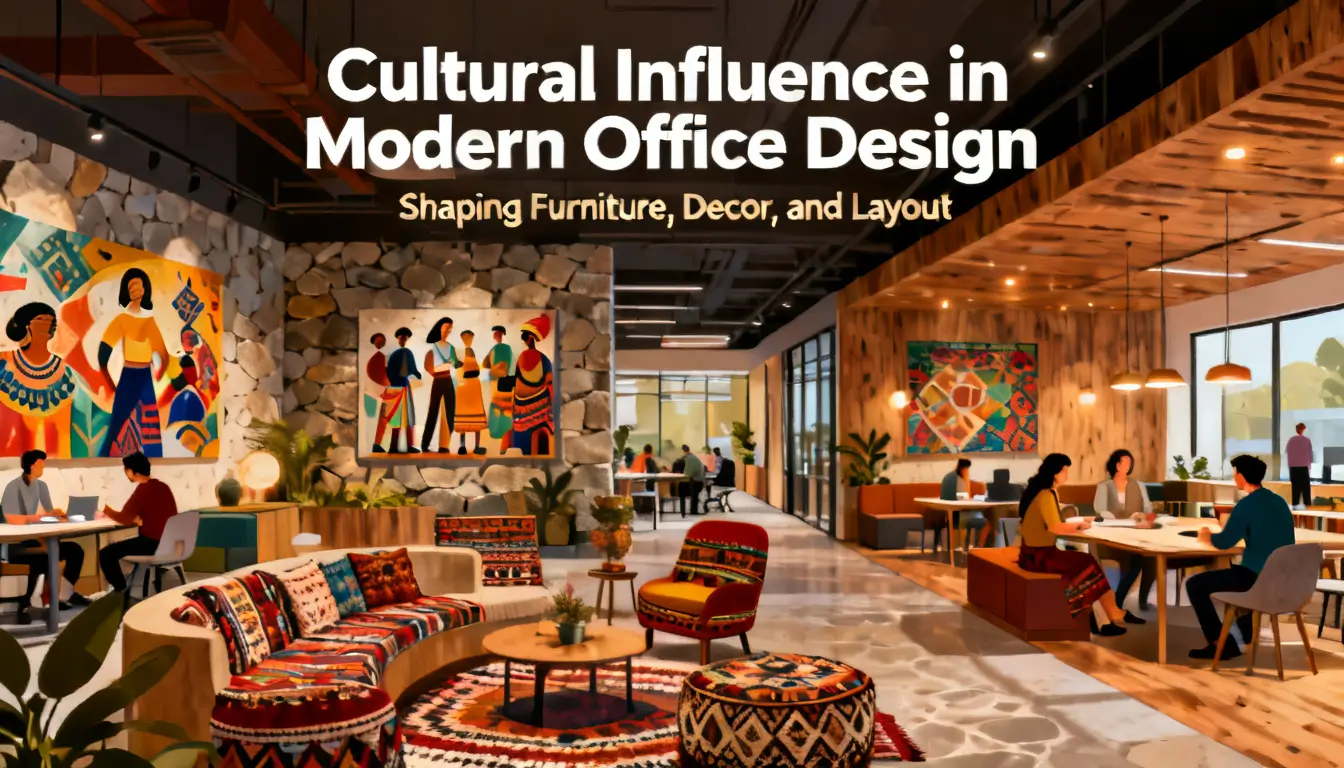
An office is more than just a physical space—it is a reflection of a company’s culture and values. In Cyprus, businesses are increasingly using their office design to communicate their identity and create a sense of belonging among employees.
Future-ready offices often incorporate elements that reflect the company’s brand, mission, and vision. This could include custom artwork, themed meeting rooms, or unique design features that align with the organization’s identity.
Creating a strong workplace culture is particularly important in a competitive business environment. A well-designed office can enhance employee engagement, attract top talent, and reinforce a company’s reputation as a forward-thinking organization.
Challenges and Considerations
While the benefits of future-ready offices are clear, implementing them requires careful planning and investment. Businesses in Cyprus must consider factors such as budget, scalability, and long-term sustainability.
One of the main challenges is balancing cost with quality. High-tech solutions and premium design elements can be expensive, but they often deliver long-term value through increased productivity and reduced operational costs.
Another consideration is change management. Transitioning to a new office model can be challenging for employees who are привыкли to traditional setups. Clear communication, training, and support are essential to ensure a smooth transition.
The Future Outlook
The demand for future-ready offices in Cyprus is expected to continue growing as businesses adapt to changing work dynamics. Companies that invest in modern, flexible, and sustainable workspaces will be better positioned to attract talent, drive innovation, and achieve long-term success.
As technology continues to evolve, offices will become even more integrated with digital systems. Artificial intelligence, the Internet of Things (IoT), and advanced analytics will play a greater role in optimizing workspace efficiency and enhancing the employee experience.
At the same time, the human element will remain central. The most successful offices will be those that strike a balance between technology and people, creating environments that are both efficient and inspiring.
Frequently Asked Questions (FAQs)
1. What does “future-ready office” mean?
A future-ready office is a workspace designed to adapt to changing business needs, technological advancements, and employee expectations. It focuses on flexibility, innovation, and sustainability.
2. Why are future-ready offices important in Cyprus?
Cyprus is emerging as an international business hub, attracting companies from various industries. Future-ready offices help these businesses stay competitive by providing modern, efficient, and appealing work environments.
3. How do future-ready offices support hybrid work?
They include flexible layouts, shared workspaces, and advanced communication tools that allow employees to work seamlessly from both office and remote locations.
4. Are future-ready offices more expensive?
While the initial investment may be higher, they often lead to long-term savings through improved efficiency, reduced energy consumption, and higher employee productivity.
5. What role does sustainability play in modern offices?
Sustainability is a key component, with features like energy-efficient systems, eco-friendly materials, and waste reduction practices helping to minimize environmental impact.
6. Can small businesses in Cyprus afford future-ready offices?
Yes, many solutions are scalable. Small businesses can start with basic upgrades such as flexible layouts and digital tools, gradually incorporating more advanced features over time.
Future-ready offices in Cyprus represent more than just a trend—they are a strategic response to the evolving nature of work. By embracing flexibility, technology, sustainability, and human-centered design, businesses can create workspaces that not only meet today’s demands but also anticipate tomorrow’s challenges.
For More Visits: Biz Nity
Also Read: Cross-Platform App Development by Garage2Global: Proven 2026
